The short answer
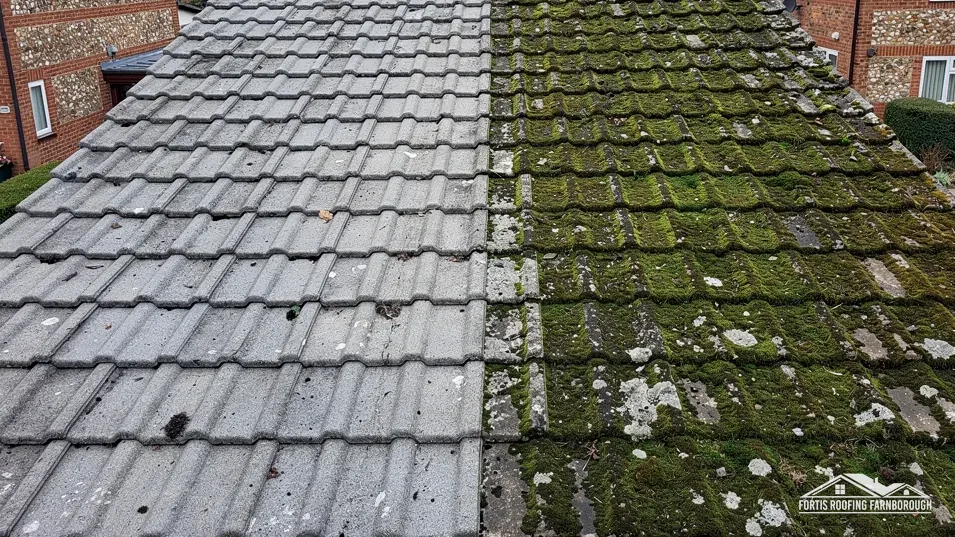
A cleaned roof usually looks lighter and cleaner, because the dark growth that was hiding the tile is gone. That is the tile's weathered colour coming back, not a new colour. A harsh method is different: it can strip the surface finish and leave tiles paler and patchy for good. Gentle cleaning keeps the colour the tile has.
Dirt coming off is not colour loss
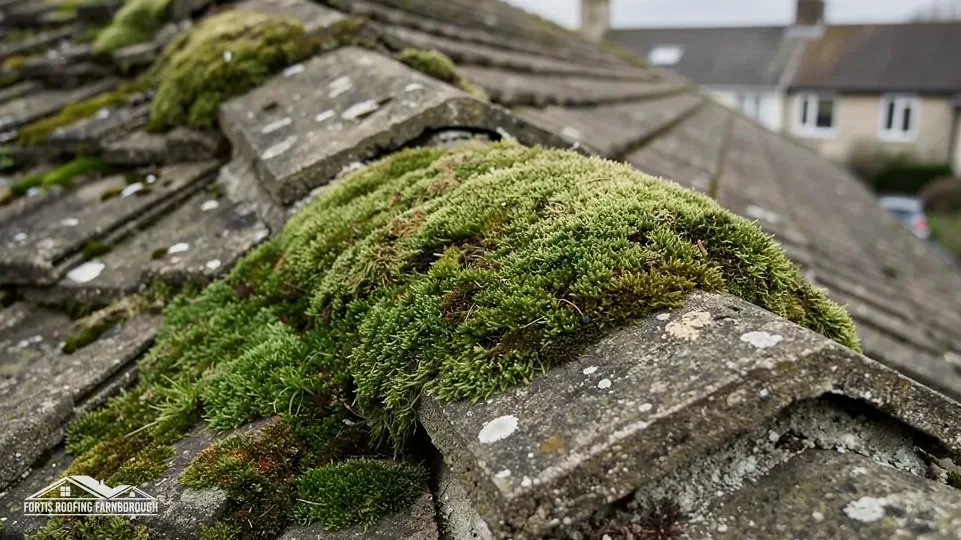
Most of what you see on a dirty roof is not the tile. Algae streaks, moss, lichen and a film of grime sit on top, and together they darken and dull the whole roof. A tile under that layer may be a good deal lighter than the roof looks from the road.
When the growth dies and weathers off, or is removed, the tile appears as it really is. The roof looks cleaner, brighter and sometimes patchy while the process is under way. That change is not a loss of colour. It is the original surface showing through.
Tiles weather, though, and weathering is separate from cleaning. A tile that has been outdoors for forty years has faded in sunlight, picked up staining and lost some of its sheen. A cleaned old tile will not look like a new one, and it should not be expected to. It will look like a clean old tile.
A clay tile and a concrete tile behave differently. Clay colour runs through the body of the tile, and cleaning does not touch it. Concrete tiles generally carry a coloured finish on the surface, which is why the method matters, as the next section explains.
Some patchiness is normal in the weeks after a soft-wash treatment, as the dead growth washes off unevenly. Our page on black streaks on a roof shows what is underneath such stains.
When the method does change colour
A harsh method can change colour for good. High pressure at close range strips the surface finish from a concrete tile, and the colour goes with it. The tile ends up paler, sometimes mottled, with rougher and more absorbent material exposed. The effect cannot be reversed by waiting.
Marley advises against high-powered jet washing, which can damage tile surfaces and shorten a tile's expected life, and a changed colour is the visible sign of that wear.
Strong chemicals can do harm too. A product used at the wrong strength, left on too long or not rinsed as the label requires, can mark or bleach a surface. This is a reason to use approved products to the label, and for householders to avoid professional-only products altogether.
Scraping with metal tools scratches the finish and leaves bright lines. Wire brushes do the same.
The test of a good method is simple: the growth goes and the tile stays as it was, existing colour and weathering included.
A roof that has already been blasted looks different from one that has not. If you are unsure whether yours has been, send a photograph and we will look. Our page on pressure washing and roof tiles goes through the damage in detail.
Setting expectations
It helps to know what a good result looks like. After a gentle clean, expect a roof that is cleaner and lighter than before, with the original tile colour and its weathering visible. Expect it to improve over the weeks following a treatment, not to be perfect on the day.
Do not expect a brand new roof. Old tiles show their age: faded, uneven in shade and sometimes stained beyond what cleaning removes. A clean cannot restore a lost finish or repair cracked and flaking tiles.
Do not expect it to last forever either. Where the roof stays damp and shaded, growth will return, and the colour will dull again over time.
If the colour matters a great deal, to match an extension or to meet a conservation-area condition, tell the roofer. It affects the choice of method and the products. Our page on cleaning concrete roof tiles explains why those need particular care.
Some firms offer coatings that promise to restore colour. Ask for the maker's evidence, and see what the product does on a tile like yours. A coating can mask problems and may peel.
The best way to judge what to expect is to look at a roof that has been cleaned by the same method, if the firm can show you one.
How we decide on the method
The first task is identifying the tile, because clay, concrete and slate call for different care and the surface condition shows how much each can take.
Then we check how heavy the growth is and what lies under it. A photograph of the tile close up tells a lot. If the finish is already worn, you are told, because that limits what cleaning can do.
The method that follows is gentle: loose moss lifted off with a soft brush, an approved product applied at low pressure to the label, and the roof left to shed the dead growth gradually. Jet washing and scraping are not used.
Photographs from before and after let you judge the change against the evidence, not against memory.
After the survey comes a single written total that names the method. If colour is a concern, ask what to expect on your roof.
The roof cleaning and moss removal hub covers the full service for roofs around Farnborough, Camberley and Fleet.