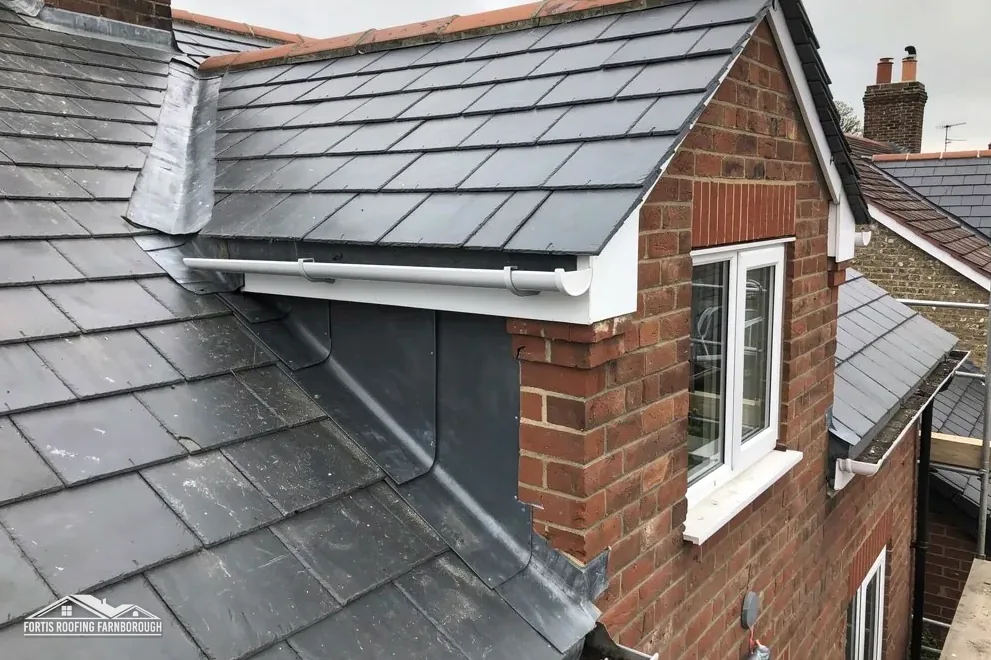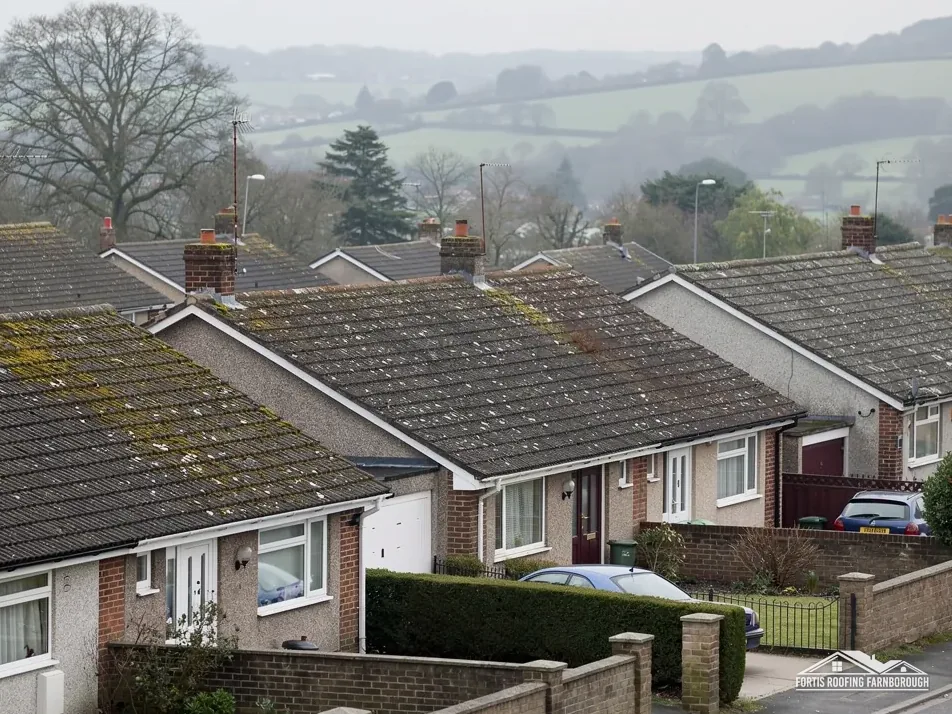
A linear village street
Sheet began as a linear village on Village Street, where 1-5 Village Street is now listed Grade II.
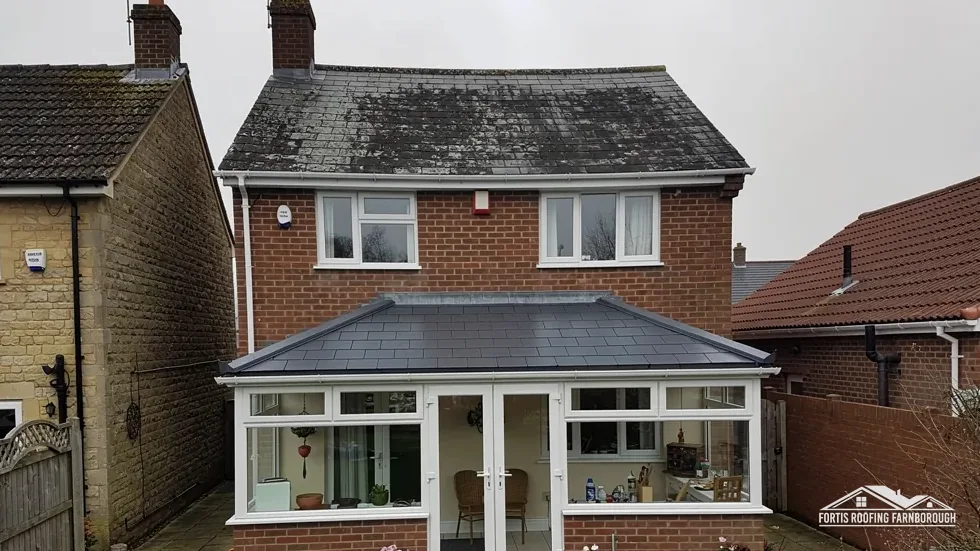
Roofs in a Rother village that sits inside the Downs
Sheet began as a line of houses on Village Street and spread once the railway arrived in 1859. Every part of the village sits inside the South Downs National Park.
Sheet began as a linear village on Village Street, where 1-5 Village Street is now listed Grade II.

The London to Portsmouth railway of 1859 led to houses along School Lane, Inmans Lane and Farnham Road.

Arthur Blomfield designed it in local sandstone and malmstone with Bath stone dressings and a tall broach spire.
Map of Sheet with Petersfield, Liss, Greatham, Milland marked around it.
Map data © OpenStreetMap contributors. Loads only when you ask for it.
Sheet sits beside the River Rother just beyond Petersfield, wholly within the South Downs National Park, some 27.3 road miles south of Farnborough.
About 27.3 road miles south of Farnborough · East Hampshire District Council and Hampshire County Council.
Sheet, park and railway
Which authority decides what in Sheet, how Village Street, the railway and the Rother shaped the village, and what the conservation area, listed houses and Park status ask of a repair.

| No. | Chapter | The figure it turns on |
|---|---|---|
| 01 | A Park Authority and a district council | Park plans, East Hampshire handles building control |
| 02 | A village street that the railway extended | Railway of 1859, houses on School Lane |
| 03 | The 1976 conservation area and Village Street's listed homes | 17 listed buildings within 500 m |
Chapter 01 of 03
| Role | Body for Sheet addresses |
|---|---|
| Local planning authority | South Downs National Park Authority |
| District council | East Hampshire District Council |
| Building control | East Hampshire District Council's own team |
| County council and highway authority | Hampshire County Council |
Sheet is a place where two planning layers meet. All of the village is National Park land, and the Park Authority is its local planning authority, so a planning question about a roof goes to the Park, not the district. East Hampshire District Council remains the district council and keeps building control. That is not a Park function, and the Park Authority leaves it with the district.
Refitting an identical tile or slate where one failed counts as ordinary upkeep, on any house anywhere. The difference shows once a job touches anything that can be seen from the lane. The whole 1.5 km area around Sheet, 100 per cent in the national dataset, is National Park land, and that status shapes what a loft room or added dormer may need, so the Park Authority's planners give the answer for each Sheet house. Our planning permission and roof work guide sets out how repairs, re-roofs and dormers are treated.
Our practice follows from that. Before we price anything beyond a matching repair on a Sheet house, we put the question to the Park Authority's planners and note their reply, so the price you receive already rests on a settled answer instead of a hope.
East Hampshire's team looks at the larger jobs. The Planning Portal's test is that no application is normally required while the work affects under 25 per cent of the building envelope and under 50 per cent of the roof. Re-covering the whole roof goes beyond both limits. Hampshire County Council, as highway authority, licenses scaffold on public roads, and its page expects the scaffolding company to make the application. Hampshire County Council charges £211.90 for the first 2 weeks and £72 for every further 2-week period and grants no extensions of time, so a long roof is planned in stages that fit each licence. Scaffold wholly on private land falls outside the scheme.
A registered building control approver, the private alternative, can take a re-roof file in place of the council. Choose a private company if you prefer, and the survey notes serve either route.
Chapter 02 of 03
Sheet in four published figures
East Hampshire's conservation area guidance for Sheet describes a village that grew in two stages. Sheet was originally a linear village on Village Street. In the second half of the 19th century it spread towards School Lane and Inmans Lane and down the Farnham Road, and the London to Portsmouth railway of 1859 led to houses along School Lane. The place itself grew up beside a crossing of the River Rother, where fulling was done at Sheet Mill and ironworking used timber from the local woods.
Those dates give us a frame, not an answer. A house on School Lane may belong to the years just after the railway arrived, while a cottage on Village Street may be older still, and either could have been re-covered since. We never assume the covering from the date. On the survey each slope is opened up, photographed and recorded, so any repair is matched to what the roof really carries and not to a guess made from the street.
St Mary's church was built in 1869 to the design of Arthur Blomfield, of local sandstone and malmstone with Bath stone dressings and a tall broach spire. A broach spire is an eight-sided spire rising from a square tower, with small sloping stones at the corners that ease the change of shape. Spires are not our work, but the church does show that Sheet built with local stone when it could.
The 2021 Census counted 850 usual residents in the Sheet parish, a small community in which a few contractors will have worked on the older houses. We keep a photographic record of every ridge, valley and abutment we find, and you receive a copy with the written price, so the next person to look at the roof starts from evidence rather than memory.
Railway and church
One practical result of the village's shape is that older and newer roofs meet. A Victorian run of houses can end beside a later infill, and the join between them, at a flashing or a shared valley, is where the survey spends its time.
Where your roof joins a neighbour's along a party wall, the junction is photographed from our own side. What we can see of the adjoining slope goes into our report; whether to talk to next door is your decision, and the photographs are there to share.
Chapter 03 of 03
| Record | In Sheet | For roof work |
|---|---|---|
| Conservation area | Sheet, designated 1976 | Matching repairs; ask the Park Authority about changes |
| National Park | All of the 1.5 km area around Sheet | Ask the Park Authority before any dormer or visible change |
| Grade II listed | 1-5 Village Street (NHLE 1093534) | Listed building consent for work affecting character |
| Grade II listed | 19 and 20 Village Street (NHLE 1157550); 21 London Road (NHLE 1301865) | The same consent route |
| Grade II listed | Church of St Mary Magdalene (NHLE 1093582) | Church of England faculty system |
The conservation area at Sheet was designated in 1976 and lies, the dataset says, within about 0.75 km of the village centre. It overlaps the National Park, so a Sheet house can fall under two kinds of designation together. Neither bans repair. Either way, the best repair is one that keeps the roof's look: matching materials, the same ridge line and unchanged chimney details, with photographs to prove it.
Seventeen listed buildings stand within 500 metres of the middle of Sheet. Numbers 1 to 5 Village Street, numbers 19 and 20 Village Street and 21 London Road are each listed Grade II, the Village Street terrace group first listed on 19 February 1973. Listed houses keep permitted development, but they also need listed building consent wherever work touches their special interest, and the Park Authority is the one to ask. We photograph the existing details first and describe any work in terms of what is kept. The table gives each list entry number, so you can read the official description of your own house on Historic England's site before we visit.
The Church of St Mary Magdalene, the St Mary's of 1869 in the council's leaflet, carries a Grade II listing as well, dated 19 February 1973. Its parish holds Sunday and Wednesday services in the Anglican tradition, which places repairs to its roof within the faculty system under the ecclesiastical exemption, rather than listed building consent. That route belongs to the church, not to the houses around it, and the village's listed cottages still go to the Park Authority.
On older houses the roofline details give a village its character as much as the covering does. Chimney stacks, verges, eaves and gutters are what a casual repair changes first. Our chimney repairs and gutters, soffits and fascias pages explain how stacks, flaunching and eaves boards are put right on a like-for-like basis.
If a Sheet repair would alter anything visible from the road, we hold the price until the Park Authority has answered.
Keep any letters from the Park Authority or East Hampshire about earlier roof work. They show what has already been agreed for the house and save a repeat enquiry.
We never infer it from the date. The survey opens up each slope, photographs it, names the covering and measures the area affected. The guidance says houses went up along School Lane after the railway of 1859, but any one roof may have been re-covered since, and the photographs show what is actually there.
A matching repair is ordinary maintenance. The Park changes the bigger questions. Dormers and loft conversions on Park land are a question for the Park Authority, which handles planning for any change in how the roof looks. We put a new covering material or roof window to the Authority before it is priced, and report its answer to you.
The Anglican parish worships at St Mary Magdalene every week, and for a Grade II church in that use the faculty system under the ecclesiastical exemption governs repairs overhead, not the Park Authority's listed building consent. The listed houses on Village Street are different: consent for them comes from the Park Authority.
No. Hampshire County Council allows no extension, so a longer job needs a fresh application. Under Hampshire's terms the first 2 weeks cost £211.90 and each further 2-week period costs £72, with 10 clear working days' notice. We split the roof into stages that fit each licence and agree them with you at the survey.
Get your free roof quote
Send your Sheet address and a word on the leak or loose slates, and a visit gets booked.
10-year workmanship guarantee, in writing.