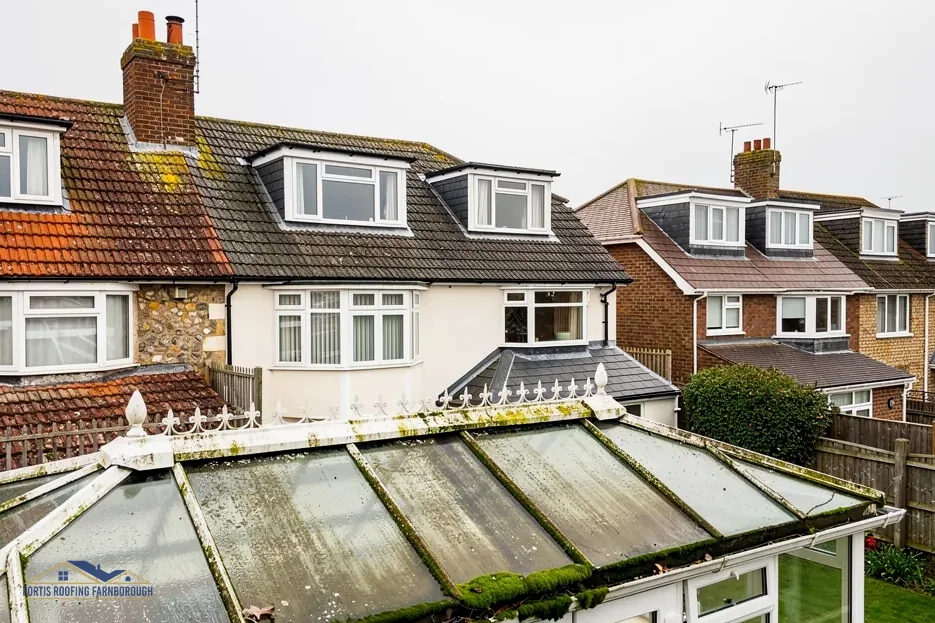
The short answer
A noisy conservatory roof is nearly always a thin polycarbonate roof. The sheet is light and has little mass, so each raindrop sets it vibrating and the sound carries straight into the room. Heavier glazing helps, and a solid roof with insulation helps most, though a roof change has weight, cost and Building Regulations consequences that are worth settling first.
Why polycarbonate drums in the rain
Polycarbonate is a plastic sheet, usually built as twin-wall or multi-wall panels, which are two or more thin skins held apart by ribs. It is light, which is why it is popular, and the lightness is the problem. A drop of rain striking a thin skin makes the whole panel flex slightly, and the flex is heard inside as a patter or a roar in heavy rain.
The thinner the sheet, the louder the effect. Older conservatories often have the thinnest sheets, because they were fitted when the aim was a cheap, light roof. Hail and heavy downpours make it worse, and some owners also hear a ticking as sheets expand and shrink with the temperature.
Fixings play a part as well. If sheets rattle in their bars, or the bar gaskets have hardened, the noise is louder and may carry a loose, metallic edge. Tightening or renewing seals can reduce that sort of rattle, but it will not stop the basic drum effect of the sheet itself.
HomeBuilding gives polycarbonate roofs a typical lifespan of 10 years, and The Eco Experts about 10 to 15 years, so a noisy sheet often sits on a roof nearing replacement anyway, and the quieter covering can be chosen then.
Options that make the roof quieter
Four routes are worth weighing, from least to most change.
- New seals and fixings. This cures a rattle. It leaves the drumming of the sheet as it was.
- Thicker polycarbonate. A thicker multi-wall sheet has more mass and more internal chambers. It is quieter than a thin sheet, though still louder than glass.
- Glass. Glass has far more mass than plastic, so rain sounds like a soft tap. It is heavier, so the bars and frame must be able to carry it. The glazing choices differ by bar type.
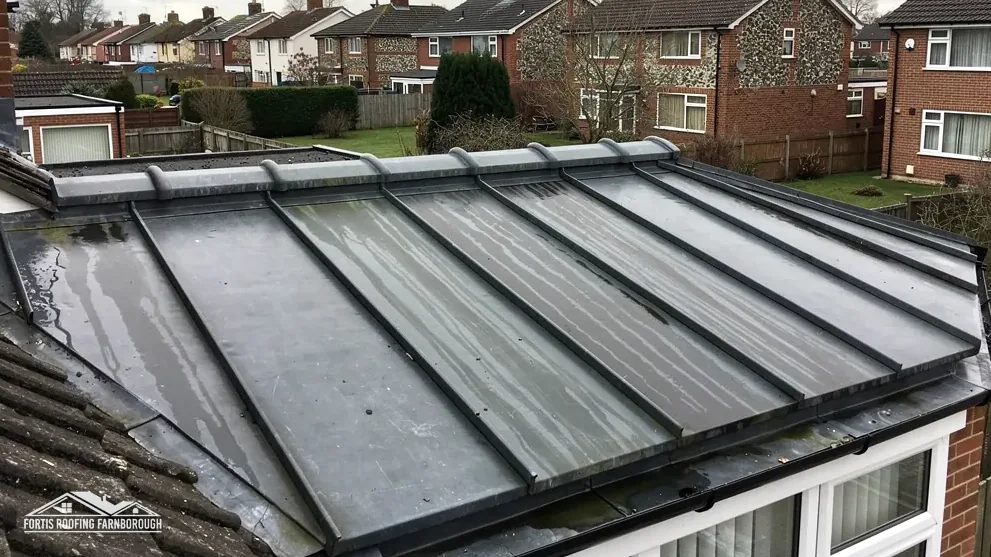
- A solid roof. Tiles or slates over a built-up deck with insulation give the greatest reduction in noise and also reduce heat loss.
Before choosing, ask the supplier for the panel thickness and the structure of the sheet, and confirm the bars will accept a different thickness. Some bar profiles only take a narrow range of sheet.
Our conservatory roof options page sets the coverings side by side, so you can see what each one does to sound, light and temperature.
What a solid roof does to the sound
A solid conservatory roof is a built-up deck: timber rafters, insulation, a vapour control layer to keep warm damp air out of the structure, battens and a covering of tiles or slates. The tiles take the impact of the rain, and the mass above the room's ceiling absorbs most of what is left. The result is a room that sounds like any other room with a pitched roof.
The change brings obligations. A solid replacement counts as a new roof under Building Regulations, so a building control body checks its structure, energy performance and ventilation. At a Rushmoor or Hart address, that body is the Hart and Rushmoor Building Control Partnership, on 01252 398715. Separately, a covering that adds 15 per cent or more to the weight triggers an approval application and a structural check.
A solid roof also changes the light. The room loses the glazed ceiling unless roof windows or glazed panels are built in, a trade-off our page on whether a solid roof will make the conservatory dark covers. Where the owner wants quiet and light together, glass or a solid roof with roof windows is the usual compromise.
What the survey records
At survey stage we photograph the panels, the bars and the seals, and measure the span and slope so we know what the frame can take. We also note what is making the noise: a loose sheet, a hard gasket or a thin panel.
The photos come to you with our explanation. If the noise comes from one loose fixing, we tell you, because a small repair beats a new roof in that case. If the whole roof is thin polycarbonate at the end of its life, we show you the quieter options and what each would mean for weight, light and Building Regulations.
Access matters here too. A conservatory roof is often reached over a lower roof or from a ladder on a patio. The route in shapes the method, and it can move the price more than the panels do. A tower on the patio, or a roof ladder over a lower slope, is chosen on the day we measure.
Our polycarbonate conservatory roof page covers replacing sheet on a sound frame, and the conservatory roofs hub brings the whole service together. One written price follows the survey, so you can compare options on the same footing.