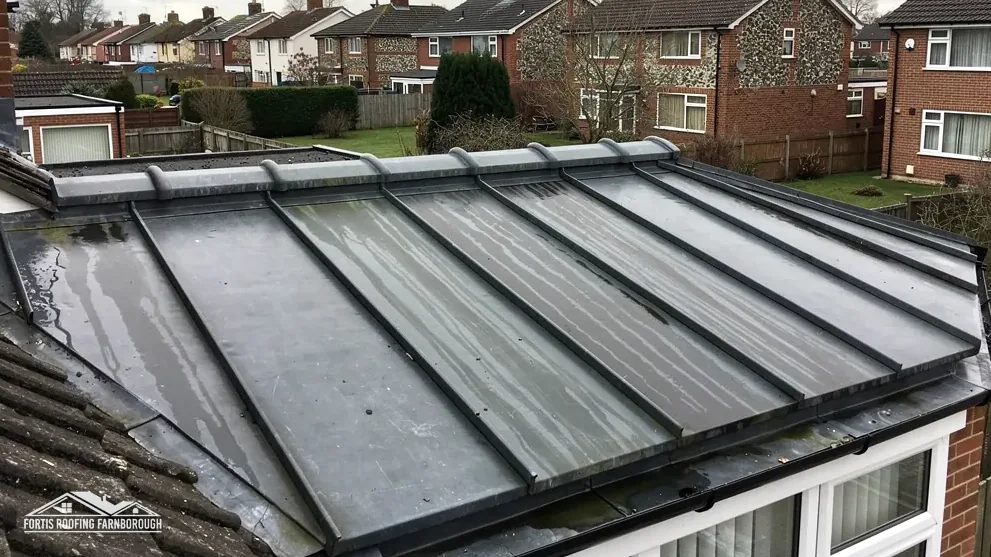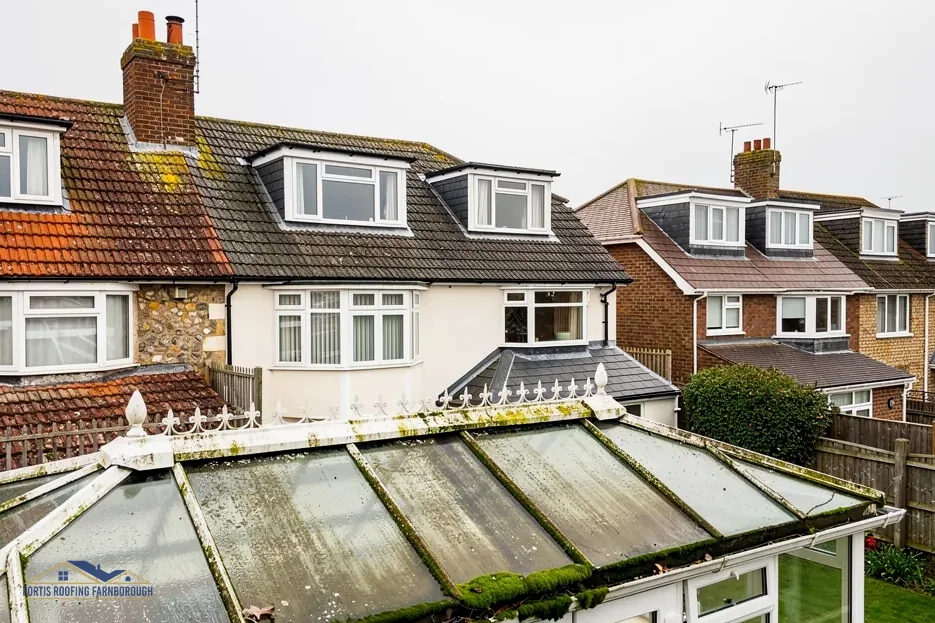
People ask what conservatory roof is best as if there were one answer. There is not. A conservatory is used in different ways: a sunny dining room, a home office, a playroom, a place to sit with a coffee on a cold morning. It sits on different structures, in different gardens, facing different directions. The right roof for one is wrong for another.
Three types dominate. Glass roofs keep the light and the feeling of being outdoors. Polycarbonate roofs are light and lower in cost, and they are the legacy of many older conservatories. Solid roofs, usually tiled or made of insulated panels, turn the room into something closer to an extension, with better insulation and a conventional ceiling.
This guide compares the three on the things that matter: weight on the frame, insulation, light, condensation, expected life and regulation. It sets out the Building Regulations position for solid roofs, and it ends with advice on which type suits which kind of room. Prices are shown only as typical UK ranges from published guides, and the written price for your roof follows a survey of its frame and its condition. If a repair is enough, the survey says so, and the new roof can wait.
Four things to decide first
Before choosing between types, it helps to be clear about what you want from the room, since the roof exists to serve that and not the other way round. Four questions shape the answer.
How will you use it?
A room used in summer for breakfast has different needs from a room used every day in winter as a home office. A room used all year needs insulation, and one used occasionally can tolerate more heat and cold.
What does the frame allow?
The existing frame, walls and foundations set a limit on what the roof can weigh. A light frame may not carry a tiled roof, and a structural check comes first. That is why a survey comes before any advice on type, and why a quote given over the phone cannot be relied on.
Which way does it face?
A south-facing conservatory heats up in summer, and a glass roof makes that worse. A north-facing one can be cold in winter whatever the roof. Orientation affects how much a solid or insulated roof helps.
What is the budget?
Typical UK ranges are published for conservatory roof replacement. MyJobQuote gives between £3,200 and £6,000 (Oct 2026), and The Eco Experts between £2,300 and £6,000. The final price depends on size, system, structure and access, so use these as a guide to expectations only.
Planning and approval
A new solid roof needs Building Regulations approval, and the planning position can differ for a listed house or a conservation area. Our guide to conservatory roof planning permission deals with it.
Keep the options open
If you are unsure, ask for a survey first. A good surveyor explains what the structure can take, and recommends from the possible choices. Our conservatory roofs page lists what we survey.
Glass roofs: light, heat and cold
A glass roof makes a conservatory feel like part of the garden. Modern glass is a long way from the single panes of the Victorian conservatory.
What modern glass offers
Double-glazed units with special coatings can reduce solar heat gain, cut heat loss and resist dirt. Some are tinted or have a self-cleaning layer. The better the unit, the better the balance between light and temperature.
Light
Glass gives the most light of any option. The room is bright, and views of the sky are part of its appeal. The downside is glare and, in some rooms, a loss of privacy from overlooking windows.
Insulation
A glass roof is a thermal weak point compared with a solid one, even with a good unit. In summer, rooms can overheat. In winter, they lose heat quickly. A conservatory with a glass roof is often cold in the morning and hot by noon.
Weight
Glass is heavier than polycarbonate but much lighter than tiles. Most frames designed for glazing can carry it.
Condensation and noise
Condensation forms on the inside of cold glass in damp conditions, and rain on glass is noisy. These are features of the type.
Maintenance and life
A sealed unit whose edge seal gives way mists between the panes, and the whole unit then has to be replaced. How long a unit lasts depends on its make and its installation, and no warranty period is a promise of life. Our answer on a glass conservatory roof goes into more detail.
Who it suits
Owners who value light and the outdoor feel, who use the room mainly in warm months or have a shaded aspect.
Polycarbonate: light, simple and short-lived
Polycarbonate is a lightweight, multi-walled plastic sheet. It was widely used for conservatory roofs, and it remains one of the lowest-cost routes to a weathertight roof.
Why it was chosen
It is light, so it puts little load on the frame. It is quick to fit, and it diffuses light. It also allows an owner to refresh a tired roof without a major structural change.
Weaknesses
Polycarbonate gives limited insulation compared with other options, and it is noisy in rain. It can become yellow and brittle in sunlight, and the sheets can crack. Over time, the seals at the ends of the sheets and the channels can fail, which lets in water and dirt. It tends to be hot in summer and cold in winter.
Life
For polycarbonate, HomeBuilding quotes a typical life of 10 years, while The Eco Experts puts it at about 10 to 15 years. Condition in practice depends on the sheet, the exposure and the upkeep, so read both as ranges.
Upgrading
A tired polycarbonate roof is a common starting point for a change. Owners may swap to better glass or a solid roof, after a structural check. Our guide to a polycarbonate conservatory roof covers repair and replacement.
Condensation
The channels in multi-wall sheets can collect moisture, and unsealed ends allow dirt and insects to enter.
Who it suits
Owners who want a simple, low-cost, lightweight roof, or who have a frame that cannot take much more, and who accept the limits on comfort.
Solid roofs: warmer, quieter, heavier
A solid roof replaces the glazing with an insulated structure. The room becomes a more conventional space, with a plastered ceiling, spotlights and fewer swings in temperature.
Tiled roofs
A tiled roof is built from timber or steel, with insulation, battens and tiles, and a plasterboard ceiling, and it gives the room a ceiling that can take spotlights and a fan. It looks like part of the house, and it gives the best thermal and acoustic performance. It is also the heaviest, so the frame, walls and foundations have to be checked. Our guide on whether a conservatory can take a tiled roof explains the structural check.
Lightweight and panel systems
Engineered systems use lighter tiles or insulated panels to cut the load. They can suit a frame that a full tiled roof would overload.
Light
A solid roof reduces daylight. Many owners add roof windows or a lantern to bring light back, and these must be designed with their thermal performance in mind. Roof windows take the window figure in Approved Document L and rooflights a separate one, so the specification needs care, and building control confirms what applies.
Condensation
Solid roofs avoid the condensation of cold glass, but bring a different risk: moisture inside the build-up if the vapour control and ventilation are wrong, which is the subject of its own guide. See our guide to condensation in a solid conservatory roof.
Building Regulations
On any new conservatory roof, the Planning Portal asks for three things under Building Regulations: structural safety, energy performance and ventilation. A solid roof is therefore a Building Regulations matter, and its energy and ventilation design is checked.
Who it suits
Owners who want to use the room all year and are prepared to pay for it.
Comparison at a glance
The table sets the three types side by side. It describes tendencies, not guarantees, and the product and the installation matter.
| Feature | Glass | Polycarbonate | Solid (tiled or panel) |
|---|---|---|---|
| Weight on the frame | Moderate | Lightest | Heaviest, with a structural check needed |
| Insulation | Fair with modern units | Limited | Best |
| Daylight | Most | Diffused | Least, unless windows are added |
| Overheating risk | Higher in summer | Higher in summer | Lower |
| Condensation | On cold glass inside | In sheet channels | In the build-up if badly detailed |
| Typical life | Depends on the unit and seals | HomeBuilding 10 years, The Eco Experts 10 to 15 | Depends on the covering; HomeBuilding gives clay tile 60-80 years |
| Building Regulations | Check with your building control body | Check with your building control body | Approval expected |
The life figures are ranges from published guides. The covering on a solid roof is not the whole roof, because the structure beneath has to last as well.
Reading the table
No type wins every row. The choice is a trade between light, warmth, weight and cost, and the best roof for a neighbour's room may be wrong for yours. A west-facing room that gets low evening sun, for instance, may need a different answer from one shaded by a tall tree. The table is a starting point for the conversation at survey, not a verdict, and the frame has the last word on what is possible.
Which roof suits which room
With the comparison in mind, a few rules of thumb help. They are guides, and the structure may decide for you.
A room used all year
If you want to use the conservatory every day, including winter evenings, a solid or well-insulated roof is usually the right answer. The room feels like part of the house. A structural check comes first.
A bright summer room
If the conservatory serves as a sun room, a good glass roof with a solar-control coating keeps the light and reduces overheating. Blinds help.
A tight budget or a light frame
Where the budget is limited or the frame cannot carry much more, a polycarbonate roof, or an upgrade of the existing one, can give a weathertight, serviceable room.
A south-facing room that overheats
A solid roof or a high-performance glass unit helps most. A glass roof without solar control makes the problem worse.
A conservatory that leaks
Before replacing, check whether a repair will do. Our guide to a conservatory roof leaking shows the common leak points, and repair is often better value than a new roof.
How to start
Ask for a survey that records the frame, walls, existing roof and junctions in photographs. The report explains what each option would mean for your room, and a single written price follows for the one you pick. Our conservatory roofs page shows the full range of work.