The short answer
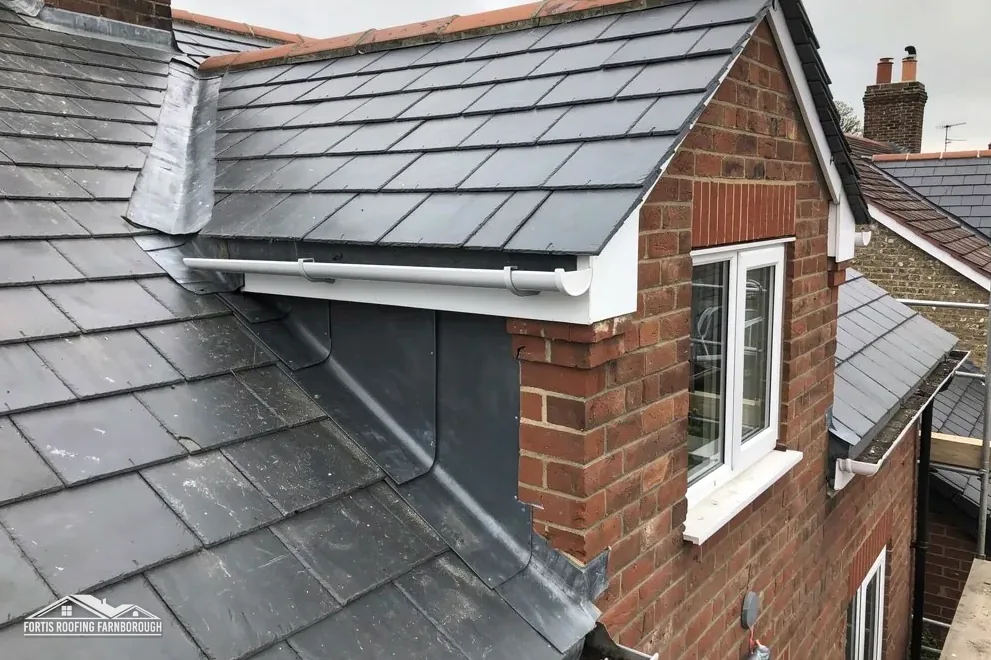
Lead flashing can last for over 80 years, according to MyJobQuote (updated Sept 2026). Read that as a lower bound for lead that was fitted well and left alone, never a promise for a particular roof. Poor fixing, failed pointing, knocks and a moving wall can all end a flashing much sooner, which is why a periodic look from the ground and the loft is worth making.
What the published figure says
MyJobQuote, in its guide to replacing leadwork on a chimney (last updated 22 September 2026), puts it as lead flashing that "can last for over 80 years". The wording matters. "Over" makes it a floor, and "can" makes it a best case, not a rule.
It is a typical figure from a cost guide, not a promise from us or anyone else. A lifespan is how long a material tends to last when conditions suit it. A warranty is a separate matter altogether, a written commitment from the firm that fitted it, and the two should never be mixed up on a quote.
The figure also tells you nothing about the original workmanship. Lead with sound wedging and room to move is the lead that gets near that mark. The same sheet fixed badly can fail in a decade.
So the useful reading is this. The metal is very durable, and when a flashing fails the cause usually lies in how it is held, how it has been treated or what has moved beneath it. The question becomes what condition the fixings are in, and a survey answers that with photographs.
What shortens a flashing's life
Lead rarely wears out. It gets overtaken by something else going wrong around it. The usual causes are these:
- pointing that has crumbled, so the chase no longer holds the top edge;
- wedges that have worked loose, letting the lead sag away from the brick;
- a flashing fixed rigidly, which then splits where it cannot slide as it warms and cools;
- knocks from ladders, aerials, falling branches or someone stepping on the sheet;
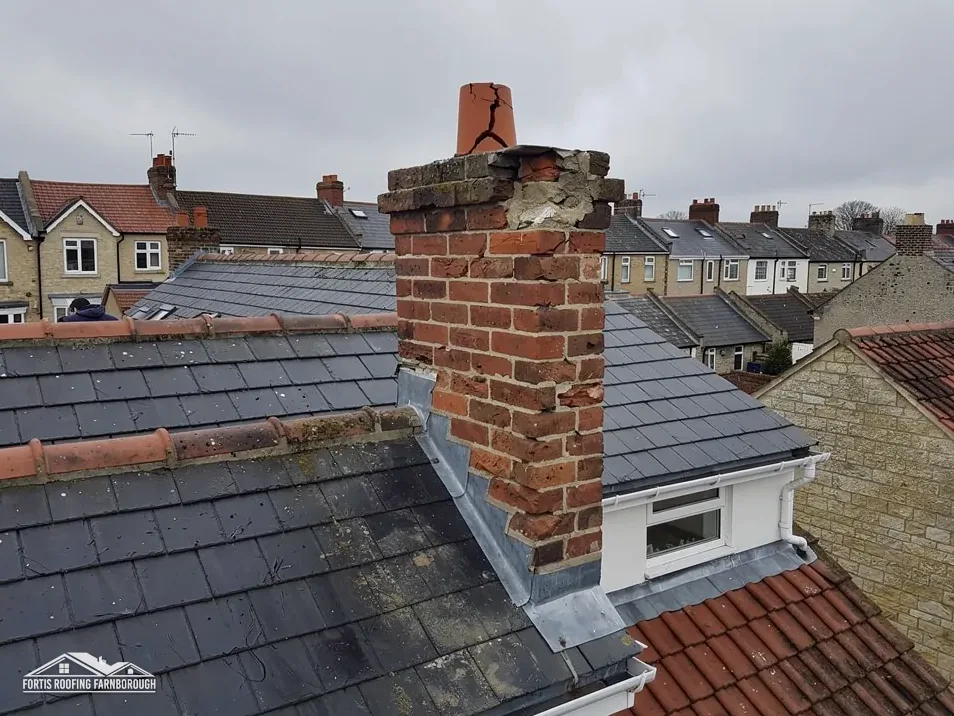
- movement in the chimney or wall that pulls the lead out of its groove.
Each of these ends a flashing early without the metal being truly spent. The first two are cheap to fix if caught while the lead is still intact, because re-pointing the chase and re-wedging the edge can add years to the flashing. The last three usually mean a closer look at the whole detail, since a split or a pulled edge is a symptom of something that still needs to be put right.
Rain itself is not the enemy, because a well-fixed flashing is built to shed it. Movement is. Our page on why lead splits goes into the movement problem in more detail.
Flashings against whole lead roofs
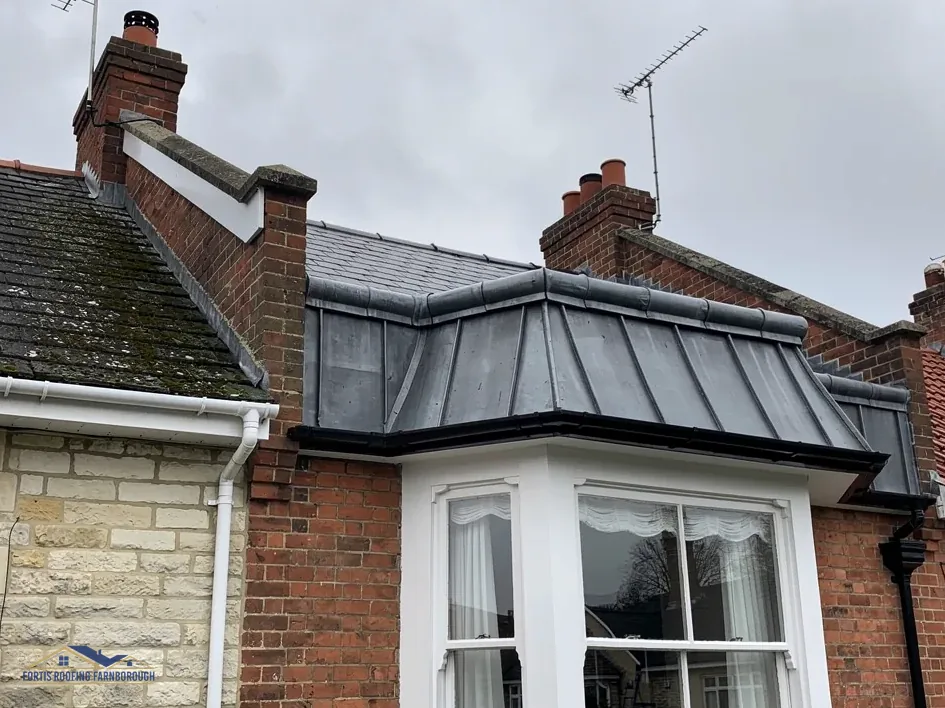
A flashing is a narrow strip working at the junction of a roof and an upstanding wall or chimney. A lead roof is different: the lead is the weatherproof covering across a flat or low-pitched area, laid in sheets with joints and upstands. The two do not age alike.
For lead on a flat roof, HomeBuilding (Sep 2025) gives a typical life of "60-100 years". The range is wide for a reason, because a roof depends on its falls, its joints and its drainage as well as its metal. A flashing is a single detail, so it can be renewed alone while the covering beside it carries on.
That makes a distinction worth holding on to. If a quote talks about replacing the lead on a roof because the lead is old, ask what the evidence is. Old lead is often fine. The faults that matter are splits, lifted edges and failed joints, and all of them show up in photographs.
A sound flashing is better re-fixed or repaired than replaced for the sake of it. Our repair or replace old leadwork page sets out where we draw the line.
How to check your own flashing
You do not need to climb a roof. Start from the garden or the pavement with binoculars, or take a phone photograph with the zoom on. Look along the line where the lead meets the wall.
Signs worth noting are a gap at the top edge, lead that has lifted or curled, a visible split, mortar missing from the groove and stains running down the brick beneath. From inside, look at the ceiling and the wall below a chimney or an extension for damp marks after rain.
None of this proves the flashing has failed, but each sign justifies a closer look. Check once a year and after a severe storm. A small repair to a failing joint costs far less than the plaster, paint and timber that a long-running leak can ruin.
If you want us to look, send photographs with your enquiry. We survey the flashing close up, explain what we see and quote a single total for what the roof needs, which may be a repair only. The lead roofing hub lists the other leadwork we carry out around Farnborough, Fleet and Camberley.