The short answer
Take dated photographs from the ground and from inside the house, never from the roof. Start with wide shots of each side of the building, then close shots of every sign of damage, the wet ceilings and any debris. Add a written note of the date and the weather, and keep receipts for anything you spend on temporary protection.
Why the pictures matter
An insurer cannot see your roof, so it relies on what you can show it. The IStructE makes the same point in its storm guidance, calling photographs essential evidence, since they preserve the damage itself. A good set can settle what was damaged, how badly and when it was first noticed.
Pictures also protect you if repairs have to happen before an assessor calls. A temporary cover, a replaced tile or a skip full of broken slates all change the scene, and photographs taken first preserve it.
They matter for the roofer too. A survey that is backed by your own images from the day shows how the damage progressed, and it helps separate a sudden event from a slow fault, which is the distinction an insurer will look at.
Do not wait for tidy conditions. Take what you can once you are standing somewhere secure, even if the light is poor and the rain has not stopped, and add better ones later. An early picture of a wet ceiling is worth more than a perfect one a week after you have painted over the stain.
Our page on whether a roof leak is covered by insurance explains how insurers weigh this evidence.
Safe shots from the ground and inside
Keep your feet on the ground, and away from ladders in wet or windy weather. Everything an insurer needs can be gathered from safer places.
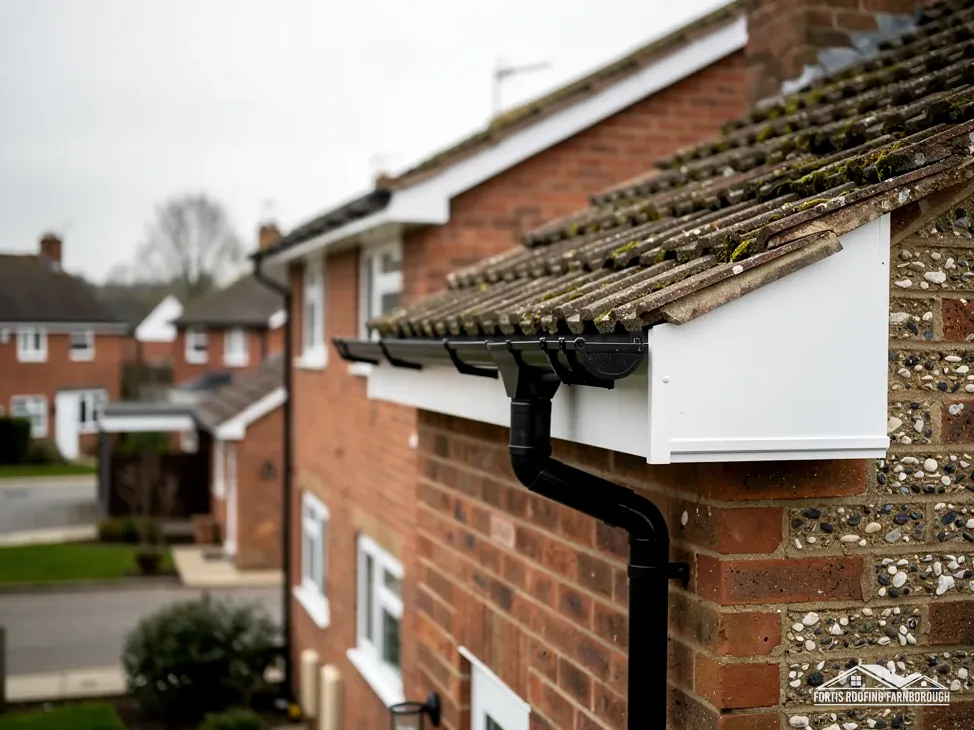
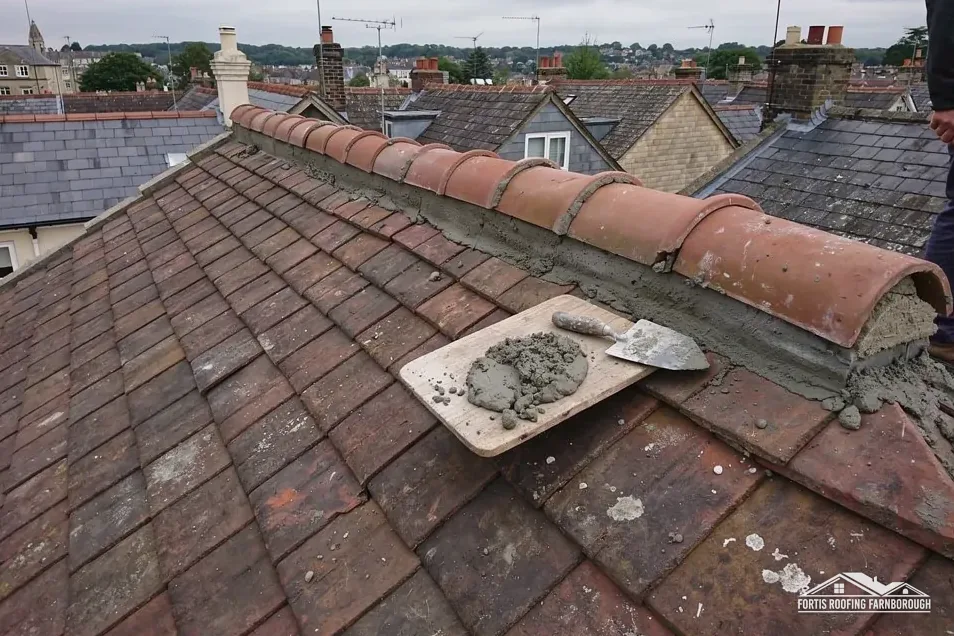
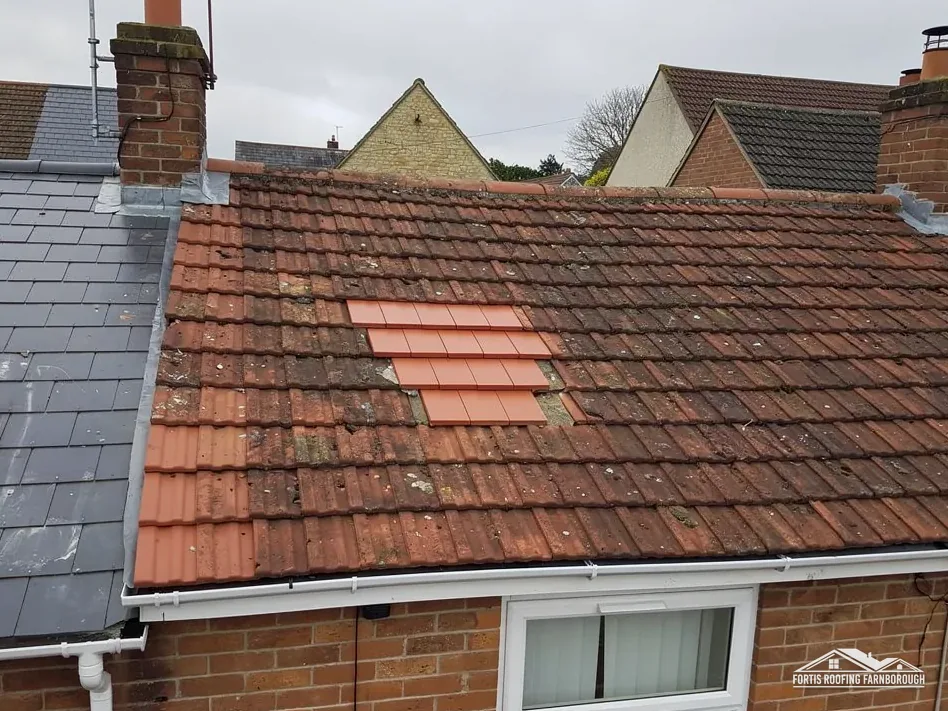
From the ground, start wide. Photograph each elevation of the house so that the whole roof is visible, then walk round and take closer pictures of any area that looks wrong: missing or slipped tiles, lifted ridge pieces, bent gutters, damaged chimney stacks. A zoom lens or binoculars helps with detail, and a second shot from a different angle gives context.
Photograph the garden and the ground below. Broken tiles, slate fragments, branches and fallen masonry show what came down and where, and they prove it was recent. If a tree or neighbour's structure was involved, include it.
Inside, go to the loft if it is safe to do so, and photograph any stains on timbers, wet insulation, daylight where there should be none and drips. Then photograph each affected ceiling and wall, with a close shot of the stain and a wider one showing the room.
Where electrics are near the water, keep away and do not photograph at close range. Our page on a roof leak near a light fitting explains the precautions.
Notes, dates and receipts
A photograph says what happened, and a note says when. Write down the date and time of your first sighting of the damage, the weather that day, and any named storm or event you know of. Your phone stores a date on each picture, which helps, and a short written log backs it up.
Keep every receipt. A temporary cover, a bucket of supplies, a hired dehumidifier or a night's stay elsewhere may all be part of the claim, and the insurer will usually ask for proof of what you spent. Which? notes that insurers often have emergency helplines, so ring yours early and ask what it expects.
Keep damaged parts where you can. A broken tile or a cracked panel is physical evidence, and a roofer can set it aside during repairs if you ask.
Back everything up. Copy the images from your phone to a computer or cloud folder, and name the files with the date and the location, such as rear slope or back bedroom ceiling. If a claim becomes complicated, a tidy folder saves a great deal of time.
Do not edit or filter pictures, because plain, unaltered files are the most credible.
What the roofer adds
Your pictures show the damage as you see it, and a roofer can add what you cannot see. On a survey we photograph the covering up close, the flashings, the gutters and the loft, and we measure the affected area. You receive the images and an explanation in plain language.
That record states what the roof looks like now, which parts are damaged and what a repair would involve. The survey also covers the rest of the roof, which tells an insurer whether the damage stands apart from general ageing.
The outcome of a claim is not something we can forecast, and we do not deal with the insurer on your behalf. The roof can be made safe straight away, with the photographs taken first so the evidence is not lost.
When the claim is settled, or if you decide to pay privately, the repair is priced as one written total. For the broader steps after a storm, see our storm damage roof page, and the roof repairs hub covers the rest of our repair work.
Tell the insurer before permanent work begins, so it has the chance to inspect.