The short answer
Yes. Hail can crack or chip tiles and slates, bruise or split old flat-roof coverings, break rooflight glazing and plastic panels, and dent thin metal and gutters. Damage often hides from a view at ground level, so a roofer's check after a heavy fall is worthwhile. For insurance, the Financial Ombudsman accepts that hail on its own can amount to a storm.
What hail damages
A hailstone arrives with force, and what it hits decides what breaks. Different parts of a roof fail in different ways.
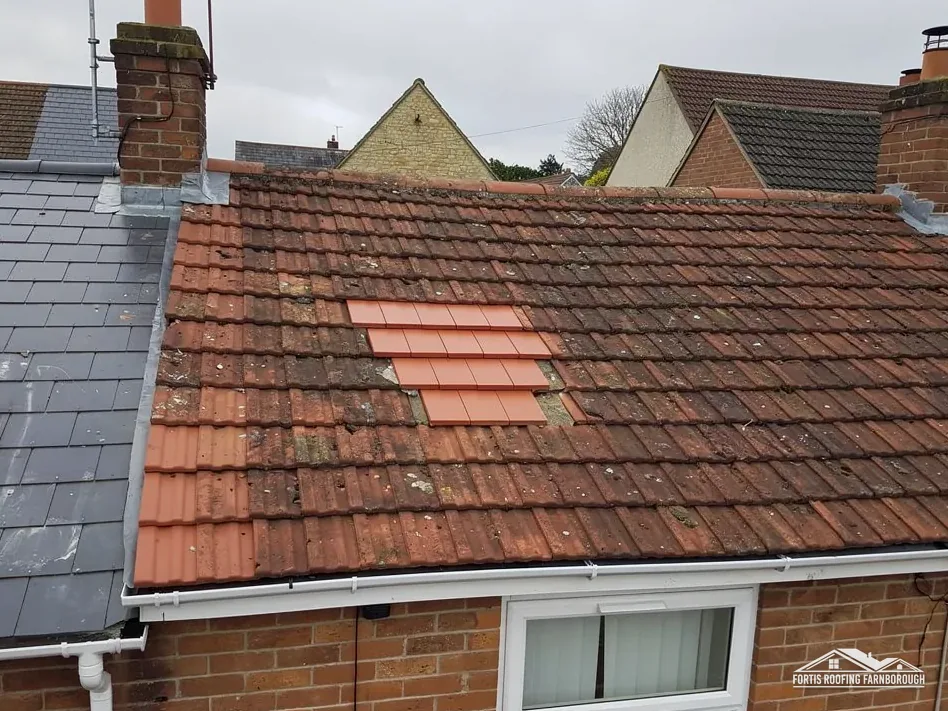
- Tiles and slates. Brittle or old ones can crack, and slates can chip or fracture. A cracked tile may let water in without any sign from beneath.
- Flat roof coverings. Felt, GRP and aged membranes can bruise, split or lift. Weathered, soft surfaces suffer most.
- Rooflights and conservatory roofs. Thin polycarbonate and other plastic panels can crack, and glazing seals can be disturbed.
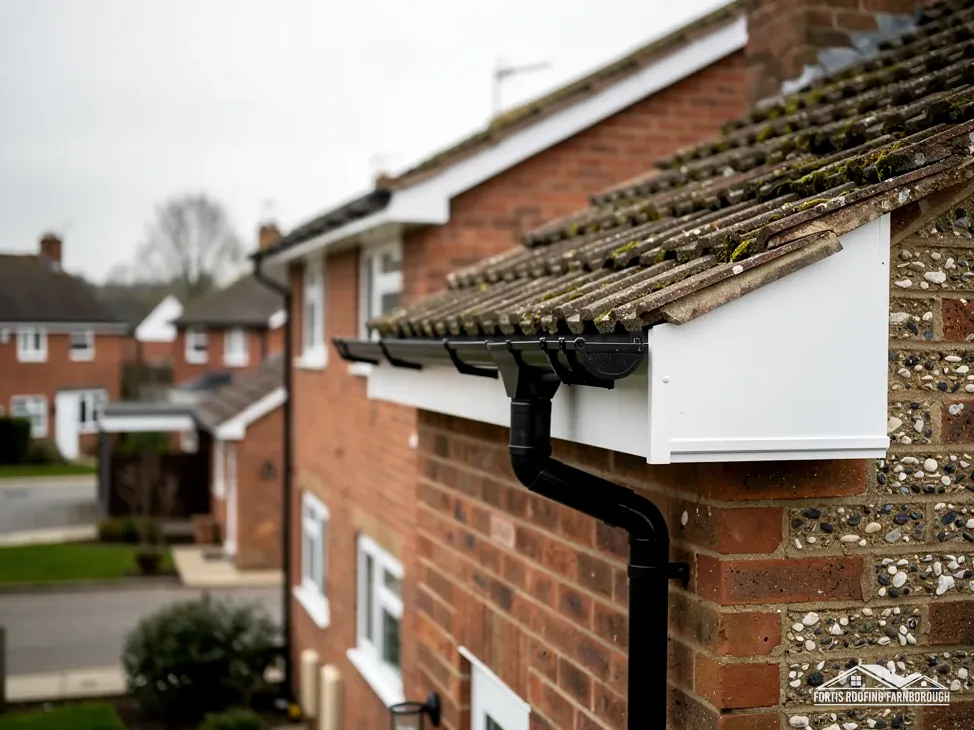
- Gutters, flashings and vents. Plastic can split, while thin metal dents and may alter how water runs away.
Age and condition matter. A sound, newer covering will often shrug off hail that cracks an old one, so damage tends to appear on the weakest spots first, such as the slope that has weathered hardest or a patch that was already worn. Skylights and conservatory panels are exposed from above and take the full force.
Harm is not always dramatic. Small fractures and bruised surfaces can start leaking weeks later in the next heavy shower, and that delay is why a check after a storm is useful even when nothing seems wrong indoors.
Checking safely after a hailstorm
Begin at ground level and stay off the roof. Scan the garden and paths for tile fragments, look for dented gutters and downpipes, and notice what hail did to cars, fences and greenhouse panels nearby. Binoculars let you study each slope from a safe distance for fresh, bright edges where a tile has chipped, or for gaps where a slate has slipped.
Indoors, go into the loft and check upstairs ceilings for new stains, drips or damp insulation. Daylight showing through the covering means a crack or a missing piece. A torch run along the underside of the roof can pick out wet patches and chips.
Photographs matter for both the repair and any claim. Take wide shots of each elevation, then close shots of every damaged spot, with the date. The IStructE calls photographs vital for a claim on your insurance, because they record how the damage looked.
Do not climb up to look. A wet or damaged roof is dangerous and cracked tiles can slide. A roofer can survey it safely and record the damage. Our storm damage roof page carries the wider checklist.
Hail, storms and your policy
Whether hail counts as a storm is a question about your policy, and the Financial Ombudsman Service has set out how it approaches the point. On its reading, a storm normally means violent wind with precipitation, though hail alone, or heavy rain or snow alone, can qualify too.
For those three, the Ombudsman looks for large volumes within a short space of time, or for an extreme fall. It also asks whether the weather chiefly caused the damage, rather than the ageing of the roof.
That second test is where many claims stumble. An existing weakness is the sticking point: the Ombudsman is unlikely to uphold a complaint from someone who knew the roof was already in a poor state, or where the weather only revealed an older fault. Gradual damage and plain wear and tear are exclusions that insurers often rely on, and they are worth looking for in your own wording.
Read your own policy's storm definition and do not rely on a wind-speed figure from anywhere else, because insurers write their own wording. If a claim is turned down and you wish to complain, the Ombudsman's helpline is 0800 023 4567.
Repairing hail damage
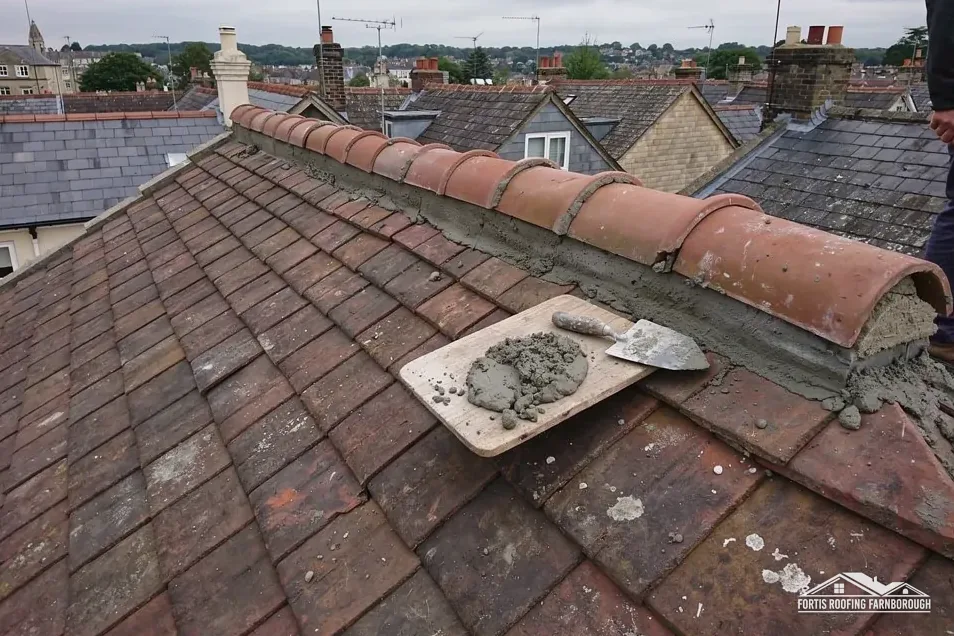
The repair follows the damage. Cracked tiles or slates are replaced individually, provided a good match can be found, while a spread of failures across a slope can mean the covering as a whole has run its course.
A bruised or split flat roof may accept a patch where the rest is sound, or need a new covering if the surface is crazed everywhere. Cracked rooflight panels are renewed, and dented gutters are straightened or replaced where the fall has been disturbed.
When water is coming in, a temporary cover goes on first and the permanent repair is planned after. We record the damage with photographs and measurements, set out the findings in plain words and give a single written price, with images you can pass to an insurer if a claim is being made.
Our page on how to photograph roof damage for insurance helps you gather evidence, and the roof repairs hub describes the work we do.
Let the insurer know before anything permanent is done, and keep every receipt, so the damage can be inspected as it stands. Temporary cover and make-safe costs are the kind of receipt worth keeping.