The short answer
A conservatory overheats in summer because sunlight streams through the glazing and the heated air has nowhere to go. The cure is to reduce the heat that gets in and to let the heat that is there out: external blinds, solar-control glazing, roof vents and opening lights, or a solid insulated roof that blocks the sun altogether.
Why the room heats up
Sunlight is energy. It passes through clear glass, hits the floor, furniture and walls, and is absorbed as heat. Those surfaces then give off heat as long-wave radiation, which glass does not let back out easily. The room works like a greenhouse, trapping what it has gathered.
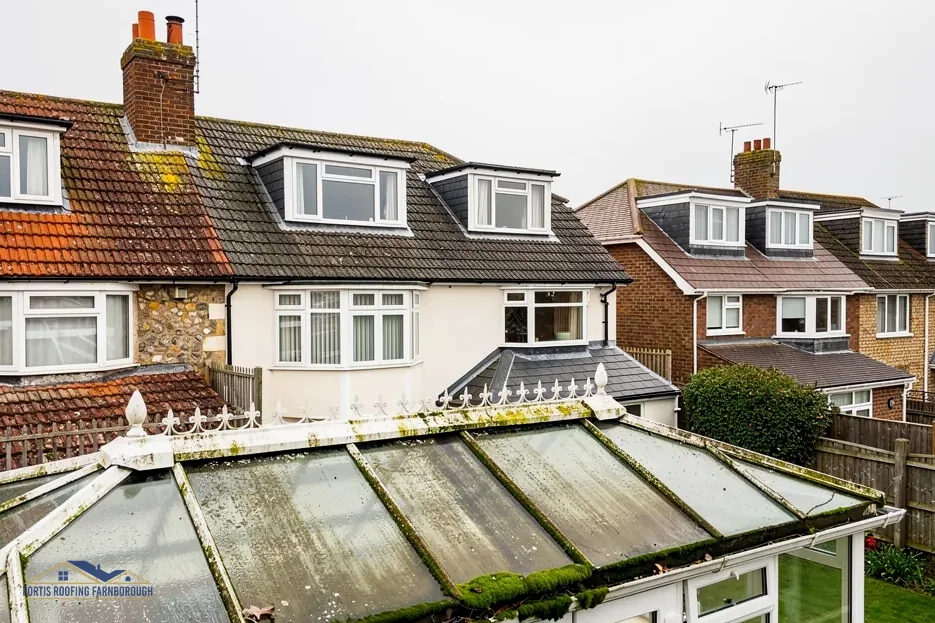
A conservatory roof is the biggest single window in the house. It faces the sky, and in summer the sun is high, so the roof takes the most direct light. A large glazed roof can raise the temperature of the room well above that outside.
Poor ventilation compounds it. Warm air rises and collects under the roof. If there are no vents or opening lights at the top, and no air supply at low level, the hot air stays. Doors and windows opened at the sides help only a little when the heat sits at the ridge.
Orientation and surroundings play a part. A south or west facing room gets the most sun, and shade from trees or buildings reduces it. Dark furnishings and floors absorb more heat than pale ones.
The result is a room that is unpleasant to use for much of a summer day. The same room can be cold in winter, as our answer on a conservatory that is too cold explains, which is why the design has to deal with both.
Cutting the heat that comes in
The most effective strategy is to stop sunlight entering, because heat that never arrives does not have to be removed.
External shading is the most effective. A blind fitted outside the glazing stops the sun before it reaches the glass, so the heat never enters. Internal blinds are less effective because the sun has already passed through the glass and warmed the air, but they cut glare and some heat.
Solar-control glazing is the next measure. Glass with a special coating reflects or absorbs part of the sun's energy while letting visible light through, and it can be fitted in a new roof or, in some cases, applied as a film to existing glass. Not every film suits every pane, as some can cause thermal stress, so get advice from the film's maker and from a roofer first.
Tinted or reflective polycarbonate is an option for lighter roofs. Panels in opal or bronze reduce transmission, though they make the room darker.
Planting and shade from outside, such as a deciduous tree or a pergola with climbers, helps without cost to the structure.
Each of these deals with heat gain. They make most difference in combination, and the best choice depends on the roof, the aspect and the budget. A survey of the roof and orientation shows which is worth doing.
Letting the heat out
Ventilation removes what gets in. Natural ventilation works by the stack effect: warm air rises and leaves through high openings, and cooler air enters low down to replace it. The roof needs high-level vents, and the walls or doors need low-level openings.
Opening roof lights, ridge vents and automatic vents all serve at the top. Automatic vents open on temperature, with no power, and suit a room that is empty for the day. Windows and doors on opposite walls give cross-ventilation. Our answer on whether conservatory roofs need vents sets out the types and sizing.
Fans help where natural movement is poor. A ceiling fan or an extractor in the roof keeps air moving, and some roof vents are fitted with fans controlled by a thermostat.
Night-time ventilation is worth using. Opening vents and doors on summer evenings flushes out the day's heat, so the room starts the next day cooler.
Combined, shading and ventilation can bring a hot conservatory to a usable temperature. If they do not, the roof itself is the limit, and its construction has to change.
Changing the roof
When shading and ventilation are not enough, a different roof is the answer. A solid, insulated roof blocks the sun and keeps the heat out, as it keeps it in during winter. A hybrid with roof windows keeps some light and an opening for air. Our guide to conservatory roof options compares the choices.
The energy rules treat a new conservatory roof as work that must meet Building Regulations. The Planning Portal expects it to be sound in structure, efficient in energy use and ventilated, and Approved Document L sets U-values for roof windows (1.4 or Band B) and rooflights (2.2) where it applies.
A solid roof is heavier than glass, so the frame and base are checked, and it reduces daylight, which roof windows can partly restore. A high-performance glazed roof with solar-control glass keeps the light, at higher cost.
We survey the conservatory, photograph the roof and frame, record the orientation and the existing vents, and tell you how much of the problem each option solves. A written price follows for the option you pick.
The conservatory roofs hub lists the related services.