The short answer
Roof timbers need replacing when they are rotten, split, eaten by beetle, or no longer carry the load. Rafters, purlins and battens are judged separately: a few battens are cheap to renew, while a sagging rafter or purlin needs a structural opinion. Many faults only show once the covering is stripped, so the scope is confirmed in writing.
Rot, beetle and overloading
Timber fails for a small number of reasons. The commonest is damp: a leak that runs for months, or moist air in a roof space with poor ventilation, feeds rot in the ends of rafters and in the wall plate, the timber that sits on top of the wall and carries the rafters. Wet wood goes soft and crumbles, and a screwdriver sinks into it.
The second cause is wood-boring beetle. It leaves small round exit holes and fine dust, and its grubs tunnel through the timber for years. Old holes alone do not mean live infestation, and a surveyor or timber specialist is the right person to say whether anything is still active.
The third cause is load. A roof built for light clay tiles can sag after heavier concrete or slate was laid over it, and an added dormer or water tank puts weight where the original design did not expect it. Approved Document A treats a loading increase of more than 15% as significant, which is why a heavier covering is checked before it goes on.
Fire, past alterations and rafters cut for a chimney or loft hatch complete the list. Each leaves a different pattern, and the pattern points to the fix.
Which timbers can be renewed cheaply
Not every timber carries the same job, and the cost of renewal follows the job. Battens are the strips across the rafters that hold the tiles or slates. They are renewed in the strip as a matter of course on a re-covered roof, and a rotten batten found alone is a small repair.
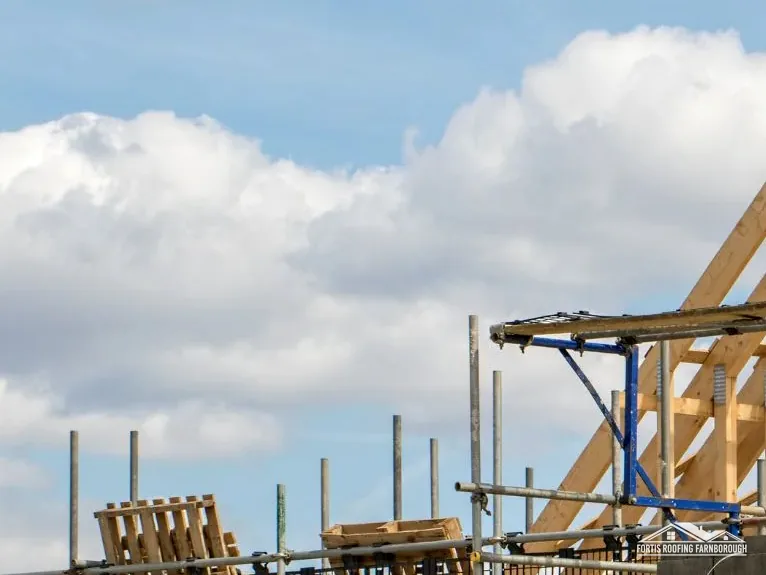
Rafters are the sloping timbers that give the roof its shape. A rafter with a rotten foot can often be repaired by fixing a new length alongside it, called sistering, or by cutting out the bad section and splicing a new piece in. A rafter that is split along its length, or sagging at mid-span, is a different matter, and it is where a structural opinion earns its fee.
Purlins are the horizontal beams that support rafters part-way up a slope, and the ridge board sits at the top where the slopes meet. Both carry loads from many rafters, so replacing a purlin is structural work that needs temporary support and a design. We do not guess at those. Where a roof timber looks doubtful, we photograph it, measure the span and say what the survey cannot confirm.
The page on signs you need a new roof lists the clues visible from the pavement and from inside the loft.
When a structural opinion is needed
A roofer can judge a rotten batten. Deciding whether a sagging purlin, a cracked rafter or a spreading wall plate is safe is a structural question, and the right answer comes from a structural engineer or a building surveyor. The Planning Portal gives the same advice where a new covering is heavier: check before work begins.
A structural opinion normally ends in one of three outcomes. The timber is sound and stays. It needs strengthening with a new member alongside, or it is replaced and the load is supported while it is done. In the third case the work may fall under Building Regulations, and building control can inspect it. Our job is to give the engineer the measurements and photos, not to override them.
Replacing timber also affects the energy rules. A roof that is stripped and renewed is a renovated thermal element, and the insulation has to be considered at the same time. The page on insulation when re-roofing explains that side of the job.
Is a timber worrying you today, with daylight showing, a bowed ridge or a fresh damp patch? Say so on the first call. A temporary cover goes on first, and the cause gets examined after the timber has dried.
What happens when a strip uncovers more
Much of the timber is hidden until the covering comes off. Underlay can conceal a rotten rafter foot, and a batten that looked sound from the loft can crumble in the hand. A roofer who finds damage mid-job has to stop and tell you, because the price you agreed was for what the survey could see.
Our approach is to put timber in the written scope before work begins: what we will renew as a matter of course, such as battens, and what we will photograph and price separately if the strip finds more. You then see the evidence on the day, with measured photos of the actual timber, and then choose with the evidence to hand.
Replacing hidden timber after the covering is off is usually better than covering it up. New tiles over a weak rafter only hide the problem for a few seasons. It is also better done while the scaffold is already up and the roof is open to the weather, which we manage with a temporary cover overnight.
Our roof replacement page walks through each stage of a complete job, and the page on replacing roofing felt covers what sits between the timber and the tiles.