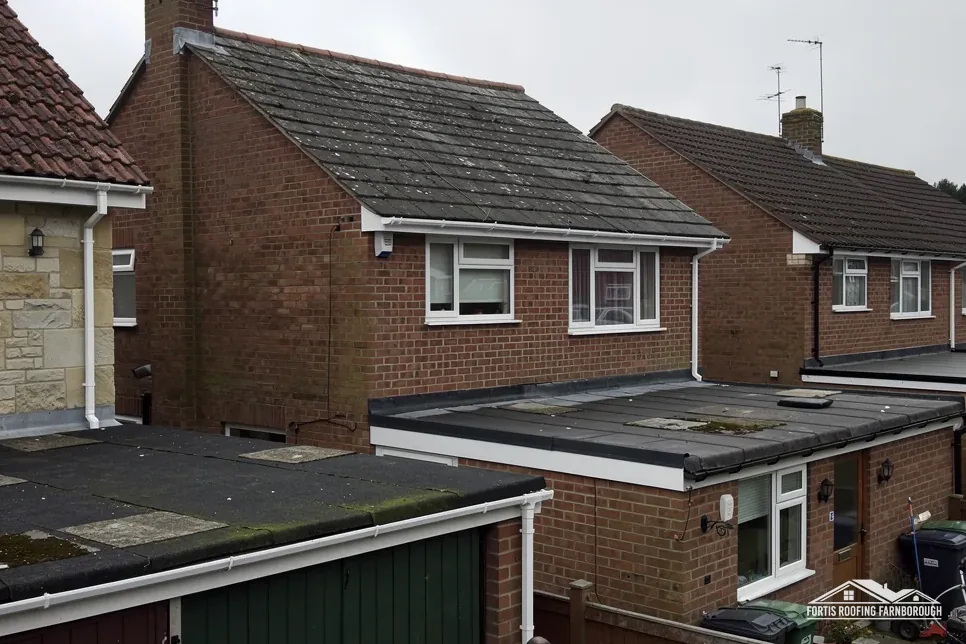
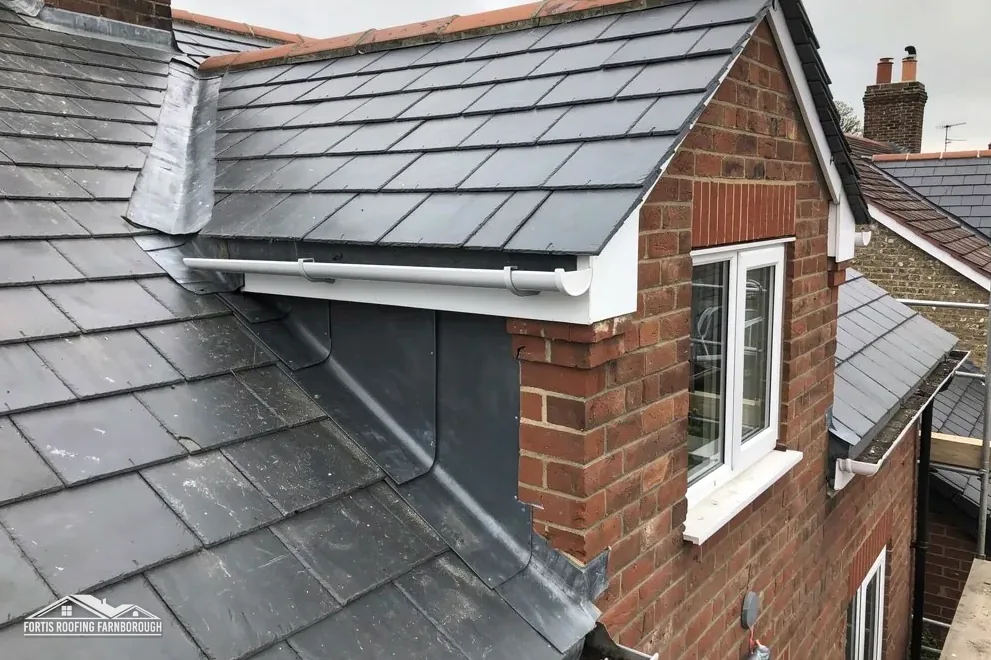
Wicks Green's rural lanes
Binfield's conservation area, designated in 2018, covers the rural lanes around Wicks Green and Monks Alley.
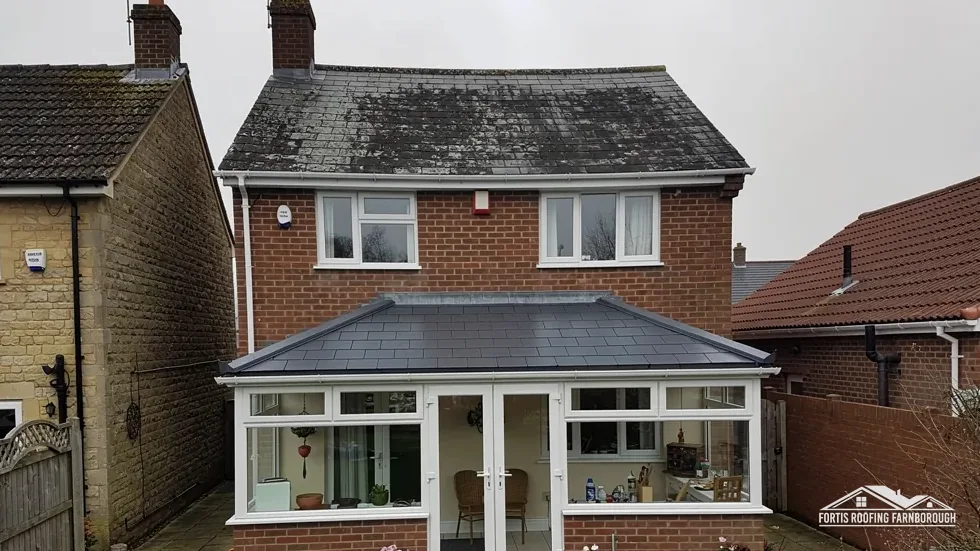
Roofs in the brickmaking village beside Bracknell New Town
Binfield once made twelve million bricks a year, then grew with Bracknell New Town. We survey its old lanes and its cul-de-sac estates roof by roof.
Binfield's conservation area, designated in 2018, covers the rural lanes around Wicks Green and Monks Alley.
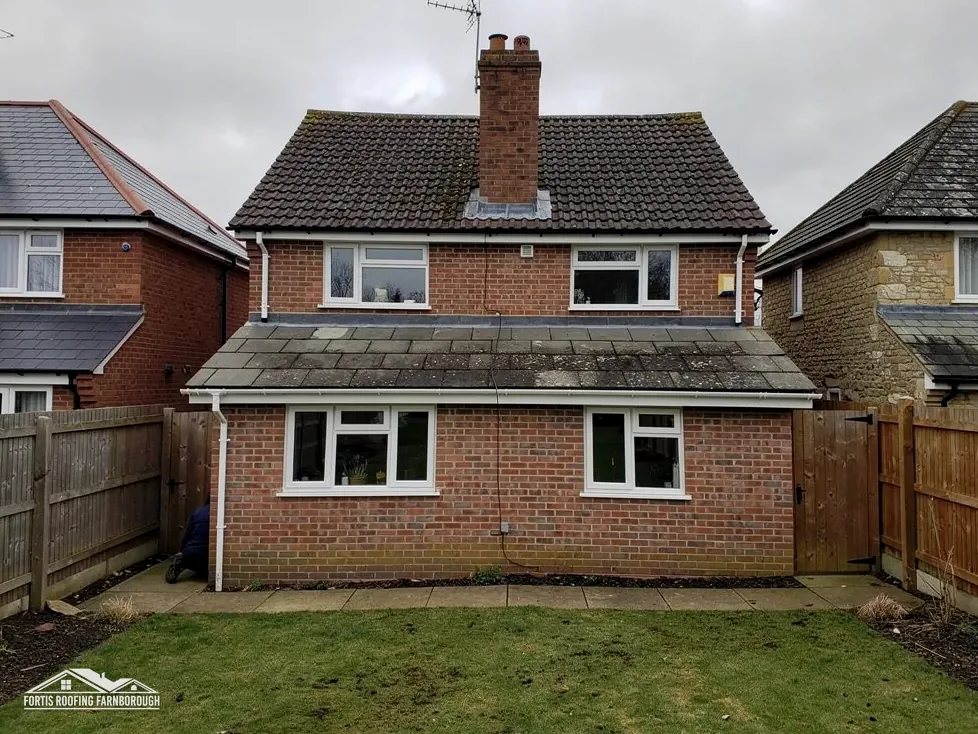
Bracknell Forest's Winkfield appraisal describes soft orange-red Binfield brick, made from London Clay, as widespread in the borough.
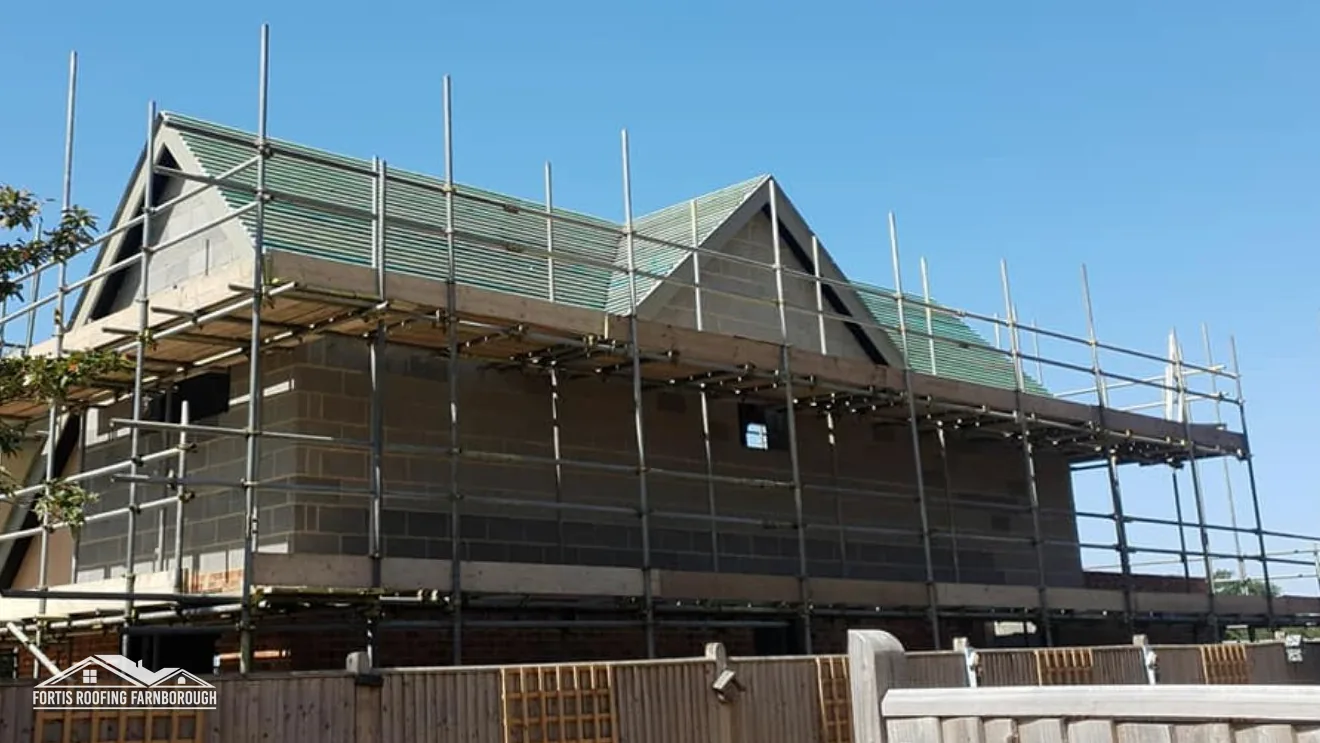
Brickmaking ended in the 1960s, when a major expansion of Binfield began, adding dense cul-de-sac housing by century's end.
Map of Binfield with Bracknell, Wokingham, Hurst, Waltham St Lawrence marked around it.
Map data © OpenStreetMap contributors. Loads only when you ask for it.
Binfield lies on the north-west side of Bracknell, with Farnborough 12.5 road miles to the south, counted from the A325, and Wicks Green set among its lanes.
About 12.5 road miles north of Farnborough · Bracknell Forest Council (unitary).
Binfield, brick, lanes and licences
Which council decides each part of a Binfield roof job, how brickmaking and Bracknell New Town shaped the houses, and what the 2018 conservation area and its listed buildings mean for work on a roof.
| No. | Chapter | The figure it turns on |
|---|---|---|
| 01 | A unitary council for every part of the job | Bracknell Forest does planning, building control, scaffold |
| 02 | Twelve million bricks a year | 12 million bricks a year, mid-to-late 1800s |
| 03 | A 2018 conservation area and Binfield Place | Designated November 2018, 8 listed buildings |
Chapter 01 of 03
| Part of the job | Body for Binfield |
|---|---|
| Planning | Bracknell Forest Council |
| Building control | Bracknell Forest Council, its own service |
| Highway and scaffold licence | Bracknell Forest Council |
| Civil parish | Binfield |
| Distance from Farnborough | 12.5 road miles north, measured from the A325 |
Binfield is simpler than most of our villages to place on the council map. Bracknell Forest Council is a unitary authority, so one body handles planning, building control and highway licensing for the village. That removes the usual question of which tier you ring first. The village sits 12.5 road miles north of Farnborough, measured from the A325 where we start every distance.
On its building control page, Bracknell Forest includes pitched and flat roof re-covering in a list of jobs that may also need building regulations approval. It gives no percentage, and it does not say always. So the practical position is that a Binfield re-roof is a question to settle with the council before work, and the Planning Portal's test is the reference point: less than 25 per cent of the building envelope and less than 50 per cent of the roof, at which approval is not normally needed. A covering 15 per cent or more heavier needs approval whatever the area.
That wording is why we raise it early. On a cul-de-sac house where one slope is being replaced, we can usually explain in a minute whether the job is likely to fall inside the threshold. Where it is close, we tell you and ask the council.
When you compare quotes from different firms for a Binfield roof, check whether each one includes VAT and scaffolding. A figure that leaves out scaffold on a two-storey house can look much lower than one that carries it, and the difference only shows on the day the poles arrive. Ours is one total price in writing, so you can set it beside any other.
For residential scaffold on a public road or pavement, Bracknell Forest charges £350, which includes a non-refundable £100 application fee, and the licence covers 6 weeks. When the 6 weeks end a new licence must be taken out. The same page puts the penalty for scaffold without a licence at £700, and notes that comparable structures standing on private land are outside the licence. It does not say who submits the form, so ask who applies, and we settle that with the scaffolder before the date is booked.
Six weeks is plenty for most single-house jobs, but a full re-roof with a wet spell can run over. We build slack into the plan and tell you so before it starts. If the weather turns, you hear about it that day, with a note of what has been done and what has been made safe.
Chapter 02 of 03
Brick, boom and population in Binfield
Bracknell Forest's appraisal of Wick's Green tells Binfield's story through clay. Local clay was used to make bricks for Binfield houses from the 17th century, and by the mid-to-late 19th century the village's brickworks were turning out twelve million bricks a year, including the bricks for the Royal Albert Hall. The appraisal records roofs of local clay tile, with Welsh slate more common after the 1850s railway, and the council's Winkfield appraisal calls Binfield brick soft, orange-red and made from London Clay. Brickmaking carried on until the 1960s.
The 1960s also brought a major expansion of Binfield, alongside Bracknell New Town. By the end of the 20th century that growth had added dense cul-de-sac housing around the old village, and the 2021 Census counted 9,938 usual residents in the parish. So Binfield now holds two quite different kinds of building: the brick houses of the old lanes and the estate houses of the new town years.
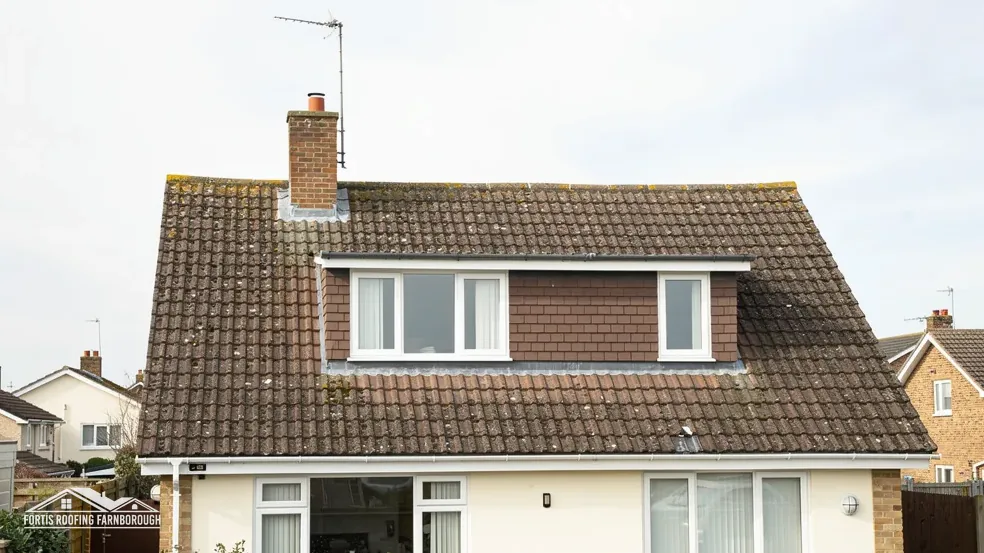
Estate houses bring roof problems of the familiar suburban kind: ridge and hip mortar that has cracked, tiles that have slipped, small flat roofs over garages and extensions, and gutters that have sagged. These are repair jobs, and they are best caught early. An estate roof that has been checked every few years rarely surprises its owner, and a short report with photographs is all the checking needs.
The older lane houses ask for more care in a different way. A repair should respect the brick and the tile around it, and an extension from a later decade may have a flat roof that no longer matches the main building. Our flat roofing page explains what we check on those roofs and how the usual coverings are renewed.
If you are thinking of a loft conversion, a rear extension or a new porch on an estate house, the roof is where the building work meets the weather. The new junction between old and new is the part to get right, and a flashing or upstand that is rushed will leak long after the builders have gone. We survey the existing roof before the design is fixed, so the junction can be planned instead of improvised.
Brick, then expansion
None of this tells us what covers your roof, because the appraisal records the village's materials, not each house. So we look: we photograph each slope, name the covering, and note anything that has been patched. The report you receive describes your house, not Binfield in general.
Chapter 03 of 03
| Control | In Binfield | For roof work |
|---|---|---|
| Conservation area | Binfield, designated November 2018, 8 listed buildings | Changes to the look checked with Bracknell Forest |
| Grade II* listed | Binfield Place (NHLE 1390270) | Listed building consent |
| Grade II listed | Binfield House (NHLE 1390298) | Listed building consent |
| Grade II listed | Acacia Cottage (NHLE 1390266) | Listed building consent |
Binfield conservation area was designated in November 2018. It covers the rural lanes around Wicks Green and Monks Alley, and it holds 8 listed buildings. Bracknell Forest Council manages the area and sets out its character in its appraisal. If your house is on one of those lanes, you are in a different regime from a neighbour on a cul-de-sac a few minutes away, and the first step is always to confirm the address with the council.
A conservation area does not forbid a repair. It asks that work respects the character the council has recorded, so a replacement tile, a ridge or a chimney should match what is there. Bracknell Forest lists several Article 4 directions in its borough, so we check an address with the council before pricing any change to a roof's look.
Binfield Place is listed Grade II*, and Binfield House and Acacia Cottage are listed Grade II. Bracknell Forest Council grants listed building consent, and it is required before any work that would change a listed building's character. Roof repairs on such houses are handled with that in view: like-for-like materials, careful records and an early talk with the council's heritage officers.

The appraisal was written in July 2010 to test the case for designation, and the council added its own review in 2018. Owners sometimes assume the rules are looser because the designation is recent, and that is a mistake: the appraisal is detailed, and it is the document officers will read when your proposal arrives. We read it too, and we match our description of the work to its language.
It is worth saying what we need from you. The address, a few photographs of the roof from the ground, and the history of any earlier work are enough to start. If the house is listed, tell us when you first call, and we will photograph the roof carefully before the council is asked anything.
Outside the conservation area, the village's older houses still repay care. A repair that respects the brick and tile also protects the look of a road. Our pitched roofing page explains how those repairs are done, including ridges and valleys.
Look for slipped or cracked tiles after wind, cracked mortar along the ridge and hips, sagging or overflowing gutters, and stains on a garage or extension ceiling. Estate roofs of that age often mix a pitched main roof with small flat sections, and the flat sections need their own check. We photograph each section separately.
Bracknell Forest names roof re-covering among jobs that may also need building regulations approval. It does not say always, and it sets no percentage. We compare your job with the national test of under 25 per cent of the envelope and under 50 per cent of the roof, and ask the council where it is close.
A residential licence costs £350, which includes a non-refundable £100 application fee, and covers 6 weeks. After that a new licence is needed. Unlicensed scaffold on the highway is listed at £700. Scaffold on private land needs none. The council's page does not say who submits the form, so ask who applies.
You can repair like for like, and doing so is normal upkeep. A change to the covering material, ridge or chimney is the point to speak to Bracknell Forest Council first. If your house is among the 8 listed buildings, listed building consent applies as well. We confirm your address with the council before the survey.
Get your free roof quote
Send your Binfield address and a note of the fault, and we will arrange the survey.
10-year workmanship guarantee, in writing.